

We Know How to Dry a Building, FAST!
- Industry Leading Response Times
- Experienced BDMA Trained Staff
- Nationwide – Onsite Within 2 Hours
- Experienced Rapid Drying and Odours Removal
Call our team now on +44 (0) 203 488 4850
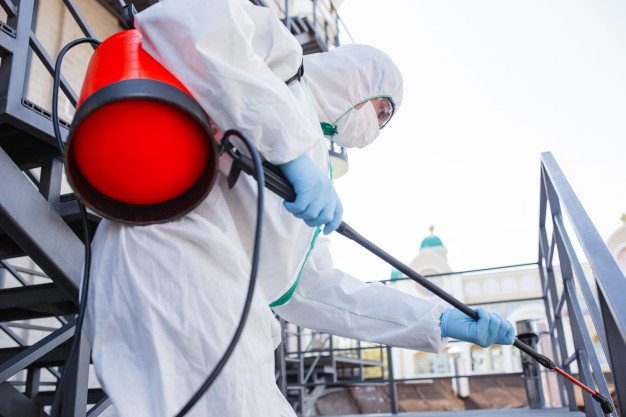
Hazardous Waste Cleaning
We know how to dry a building, Fast! Depending on the circumstances and size of the flood a number of different processes can be employed and some examples are below.
Don’t risk your business or health!
Call now on +44 (0) 203 488 4850
Our Super Effective Drying Process
An example of this is common kitchen or bathroom lino. Underneath the lino would be either wooden floorboards or concrete, both of which are porous materials and will hold water in the event of a flood. It is important therefore to strip these out before commencing the drying process as these will inhibit drying.
Our Super Effective Drying Process
We also provide a flood report and once we have completed the building drying we can produce a drying certificate which will demonstrate that a professional contractor has verified that all drying work has been carried out correctly and completed allowing the redecoration and re-instatement work to commence.
“All in all, Nexal Cleaning Services are a company that I would happily recommend to others and definitely use again”
Information about After Flooding Building Drying
Where a flat area has been flooded, and where water has not entered any recess areas (under floors or void spaces for example), the best method of drying is to install industrial Arida dehumidifiers and turbo-fan air units. This operation will circulate moisture from the surface of the flooded material into the air. The dehumidifiers then condense the wet air and remove the water content recycling ‘dry-air’.
Where a flat area has been flooded, and where water has not entered any recess areas (under floors or void spaces for example), the best method of drying is to install industrial Arida dehumidifiers and turbo-fan air units. This operation will circulate moisture from the surface of the flooded material into the air. The dehumidifiers then condense the wet air and remove the water content recycling ‘dry-air’.
Where a flat area has been flooded, and where water has not entered any recess areas (under floors or void spaces for example), the best method of drying is to install industrial Arida dehumidifiers and turbo-fan air units. This operation will circulate moisture from the surface of the flooded material into the air. The dehumidifiers then condense the wet air and remove the water content recycling ‘dry-air’.
Where a flat area has been flooded, and where water has not entered any recess areas (under floors or void spaces for example), the best method of drying is to install industrial Arida dehumidifiers and turbo-fan air units. This operation will circulate moisture from the surface of the flooded material into the air. The dehumidifiers then condense the wet air and remove the water content recycling ‘dry-air’.
- John Cena, Private Landlord
- John Cena, Private Landlord
- John Cena, Private Landlord
Hazardous Waste -
More Information
about Hazardous Waste Cleaning.
- Do’s and Don’ts After Flood Damage Infographic
- The Cost of Flood Damage
- Mould Can Be A Danger After Flooding
- How to Clean Up After a Flood – 8 Essential Steps